Mucuna Font: Elevate Branding with Handwritten Style
I still remember the moment I opened my design software for a new project last Tuesday. The brief was simple yet demanding: create a visual identity for a small, artisanal skincare line that wanted to feel organic, warm, and deeply personal. The client didn’t want something cold or corporate. They wanted a touch of humanity in every pixel. That is when I decided to test Mucuna, a lovely and beautiful handwritten font that had been sitting in my library, waiting for the right moment to shine.
As a graphic designer, I am always on the hunt for typefaces that bridge the gap between professionalism and personality. Most script fonts fall into one of two traps: they are either too messy to read or too rigid to feel authentic. Mucuna, however, sits comfortably in that sweet spot. It belongs to the Script Amp collection, a category of Fonts known for their expressive character, and it immediately caught my eye for its fluid strokes and natural rhythm.
First Impressions and Visual Personality
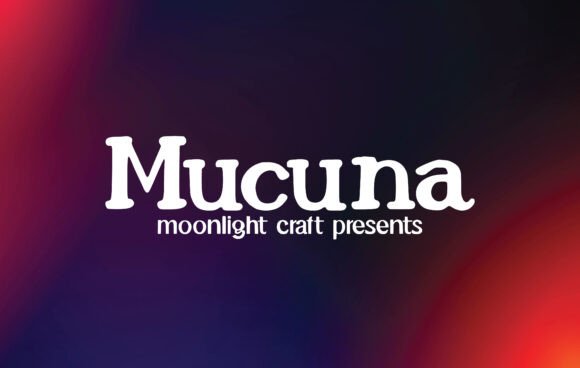
When you first load Mucuna onto your canvas, the mood shifts. It is not just a set of letters; it feels like a gesture. The curves are generous, and the connections between letters feel organic rather than mechanically forced. This is crucial for branding projects where the goal is to evoke trust and warmth. In my initial mockups, I placed the brand name in Mucuna against a soft, earthy background. The result was instant harmony. The font has the potential to take your creative ideas to the highest level because it does not fight for attention; it invites it.
The visual characteristics of this typeface suggest a hand that moves with confidence but retains a gentle touch. It is the best choice for creating eye catching logos, branding and quote designs because it carries an inherent elegance without being pretentious. For the skincare brand, this meant the logo felt like it was signed by the founder herself, adding a layer of authenticity that sterile sans serif fonts simply could not achieve.
Integrating Mucuna into a Full Brand Identity
Once the logo direction was approved, the real work began: expanding the typeface into a full brand identity system. A common mistake designers make is using a decorative script font for everything. I avoided this by treating Mucuna strictly as a display font and accent font. It shines in headlines, logo marks, and short-form text, but it needs support for longer body copy.
I paired Mucuna with a clean, modern sans serif font for the product descriptions and ingredient lists. This contrast created a clear visual hierarchy. The handwritten style drew the eye to the key messages—like "Organic," "Handmade," and "Pure"—while the neutral supporting typeface ensured readability. This combination is a classic strategy in editorial design and packaging design, ensuring that the aesthetic appeal does not compromise functionality.
On the packaging mockups, Mucuna looked stunning on the label stickers. The fluidity of the letters wrapped nicely around the curvature of the bottles. It did not look like a digital stamp; it looked like part of the product’s soul. Whether you are working on product labels, social media graphics, or printed marketing materials, this font maintains its integrity across different scales. However, I always recommend testing the font at smaller sizes. While it remains legible, intricate details in handwritten fonts can sometimes get lost if scaled down too aggressively for tiny print runs.
Versatility Across Digital and Print Media
Beyond physical packaging, I tested Mucuna in digital environments. For the brand’s website headers, the font added a welcoming touch to the homepage hero section. It broke up the grid-like structure of web design, making the site feel more approachable. In social media graphics, particularly for Instagram quotes and promotional posts, Mucuna became the star. Quotes about self-care and natural beauty resonated more deeply when presented in this human-centric typeface.
It is important to note that while Mucuna is versatile, it thrives in contexts that allow for breathing room. Crowding the letters or placing them against busy backgrounds can diminish their impact. I found that using ample white space around the text allowed the unique ligatures and alternates to stand out. If the font package includes these features, experimenting with them can add subtle variations that keep the design fresh without losing consistency.
Practical Advice for Designers and Entrepreneurs
If you are considering adding Mucuna to your toolkit, here are a few practical observations from my workflow. First, always check the commercial font licensing before using it for client work. Ensuring you have the right permissions for web use, print, and merchandise is a non-negotiable step in professional practice. Second, consider the industry. While this font is perfect for boutiques, creative studios, local restaurants, and handmade shops, it might not be the right fit for tech startups or financial institutions that require a more authoritative tone.
Font pairing is another critical aspect. While I chose a sans serif for the skincare brand, Mucuna could also pair beautifully with a delicate serif font for a more vintage or literary feel. The key is balance. Let the handwritten font carry the emotional weight, and let the supporting typeface handle the informational load. This approach ensures that your brand identity remains cohesive and professional.
For freelancers and small business owners, using a premium font like Mucuna can elevate perceived value. It signals that care has been taken in the details. Whether you are designing flyers, posters, or digital templates, the right typeface can transform a generic layout into a memorable brand experience. It helps with audience engagement because people connect with things that feel human.
Finalizing the Project
By the time I delivered the final assets, the client was thrilled. The brand felt alive. Mucuna had done more than just spell out the company name; it had set the tone for the entire customer experience. From the business card to the website banner, the consistency of the handwritten style created a recognizable and trustworthy image.
In conclusion, if you are looking for a typeface that combines artistic flair with practical usability, Mucuna is a strong contender. It is not just a font; it is a design tool that helps tell a story. For any project requiring warmth, elegance, and a personal touch, this script font delivers. Remember to test it in various contexts, pair it wisely, and let its natural beauty guide your creative decisions. Your next branding project might just need that human touch to truly connect with its audience.